
 English
 Русский
Изображение: © LATAM Cargo
Ежегодно спрос на авиаперевозки грузов увеличивается за счет объемов цветов в преддверии Дня святого Валентина, и 2026 год не стал исключением. Следите за обновлениями на этой странице, чтобы узнать, как рынок авиаперевозок справился с этим сезоном.
Дополнительные рейсы NAM увеличивают объемы цветов
В этом году компания Network Airline Management (NAM) перевезла 3100 тонн свежесрезанных цветов из Найроби в Льеж, чтобы удовлетворить спрос ко Дню святого Валентина.
В преддверии Дня святого Валентина 2026 года компания выполнила 16 регулярных рейсов и 15 дополнительных рейсов – это самый высокий показатель на сегодняшний день.
«Каждый рейс нашего флота самолетов Boeing 747F был выполнен с максимальной эффективностью, перевозя более 100 тонн роз и гвоздик за один рейс», – говорится в пресс-релизе компании.
В общей сложности в ходе операции было перевезено 3100 тонн цветов на более чем 1300 поддонах, при этом средний вес одного поддона составил более 2,3 тонны цветов.
По прибытии в Льеж цветы обрабатываются, а затем транспортируются автомобильным транспортом оптовым торговцам и флористам по всей Европе и Великобритании.
Сэм Линдси, коммерческий и операционный директор NAM, сказал: «Увеличение количества еженедельных рейсов с шести до восьми в прошлом году укрепило основу нашего регулярного расписания, но выполнение дополнительных 15 рейсов специально для этого пикового сезона свидетельствует о напряженной работе наших глобальных команд».
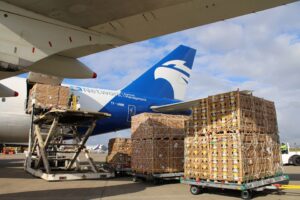
Изображение: © Network Airline Management
В центре внимания – цветы в аэропорту Льежа
В течение четырехнедельной кампании ко Дню святого Валентина аэропорт Льежа обработал 13 850 тонн цветов, чему способствовали 45 дополнительных чартерных рейсов в дополнение к обычным регулярным рейсам.
В аэропорту заявили, что подготовка ко Дню святого Валентина начинается задолго до этого, и все заинтересованные стороны в цветочной экосистеме, такие как наземные службы, экспедиторы, транспортные компании, авиакомпании и государственные органы, объединяются для прогнозирования объемов, потребностей в персонале и изменений в законодательстве.
Большая часть цветов, обрабатываемых в аэропорту, поступает из Кении, Эквадора, Колумбии, Эфиопии, а также из ключевых латиноамериканских аэропортов, таких как Кито и Богота.
«Быстрая перевалка цветов из зоны вылета на склад и специализированная инфраструктура холодовой цепи играют решающую роль в сохранении качества цветов, при этом совместимые с ULD холодильные камеры поддерживают температуру 2–8 °C, а резервные мощности доступны в любое время», — говорится в пресс-релизе аэропорта Льежа.
«Такой акцент на честности крайне важен, поскольку стоимость отдельных партий цветов может достигать 1 миллиона долларов».
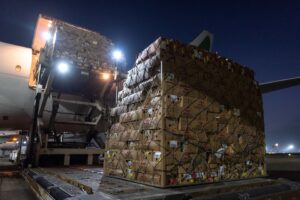
Изображение: © Аэропорт Льежа
LATAM Cargo лидирует
В этом сезоне Дня святого Валентина группа LATAM отправила более 24 000 тонн цветов из Колумбии и Эквадора в США и Европу.
Чтобы удовлетворить высокий спрос в этот сезон, группа за три недели задействовала около 430 рейсов из Боготы, Медельина и Кито.
«День святого Валентина — один из самых напряженных сезонов для цветочной индустрии в регионе, и лидерство на этом рынке четвертый год подряд напрямую отражает доверие, которое наши клиенты оказывают LATAM Cargo», — сказал Клаудио Торрес Фаини, коммерческий директор по Южной Америке в LATAM Cargo Group.
Из общего объема перевезенных грузов около 12 000 тонн были отправлены из Эквадора, а более 12 300 тонн — из Колумбии.
В течение 2025 года компания перевезла более 245 000 тонн цветов из обеих стран.
Объемы перевозок цветов в Дубае растут
Компания dnata, занимающаяся наземным обслуживанием, обработала 227 530 кг цветов всего за пять дней на своем специализированном объекте в Дубайском цветочном центре (DFC), что свидетельствует о «значительном росте» объемов в преддверии Дня святого Валентина.
В период с 7 по 11 февраля 2026 года dnata обработала 274 партии, включающие более 18 700 ящиков цветов, что представляет собой «значительное увеличение» по сравнению с типичным периодом работы. Пик операций пришелся на 10 февраля, когда команда обработала 59 800 кг за один день – более чем вдвое больше обычного суточного объема.
Большая часть входящих поставок поступила из ключевых рынков-экспортеров цветов, включая Колумбию, Эквадор, Эфиопию, Кению и Нидерланды. Хотя среди ввозимых цветов особенно выделялись гортензии, хризантемы и орхидеи, доминирующим трендом оставались красные розы, на долю которых приходилась наибольшая доля сезонного спроса.
Гийом Крозье, главный специалист по грузоперевозкам компании dnata, сказал: «День святого Валентина — один из самых загруженных периодов года для логистики цветов.
Наша команда тесно сотрудничает с авиакомпаниями-партнерами, экспортерами, экспедиторами, грузоотправителями и получателями, чтобы обеспечить быструю и эффективную доставку грузов через Дубай, поддерживая высочайшие стандарты бережного обращения со скоропортящимися товарами».